
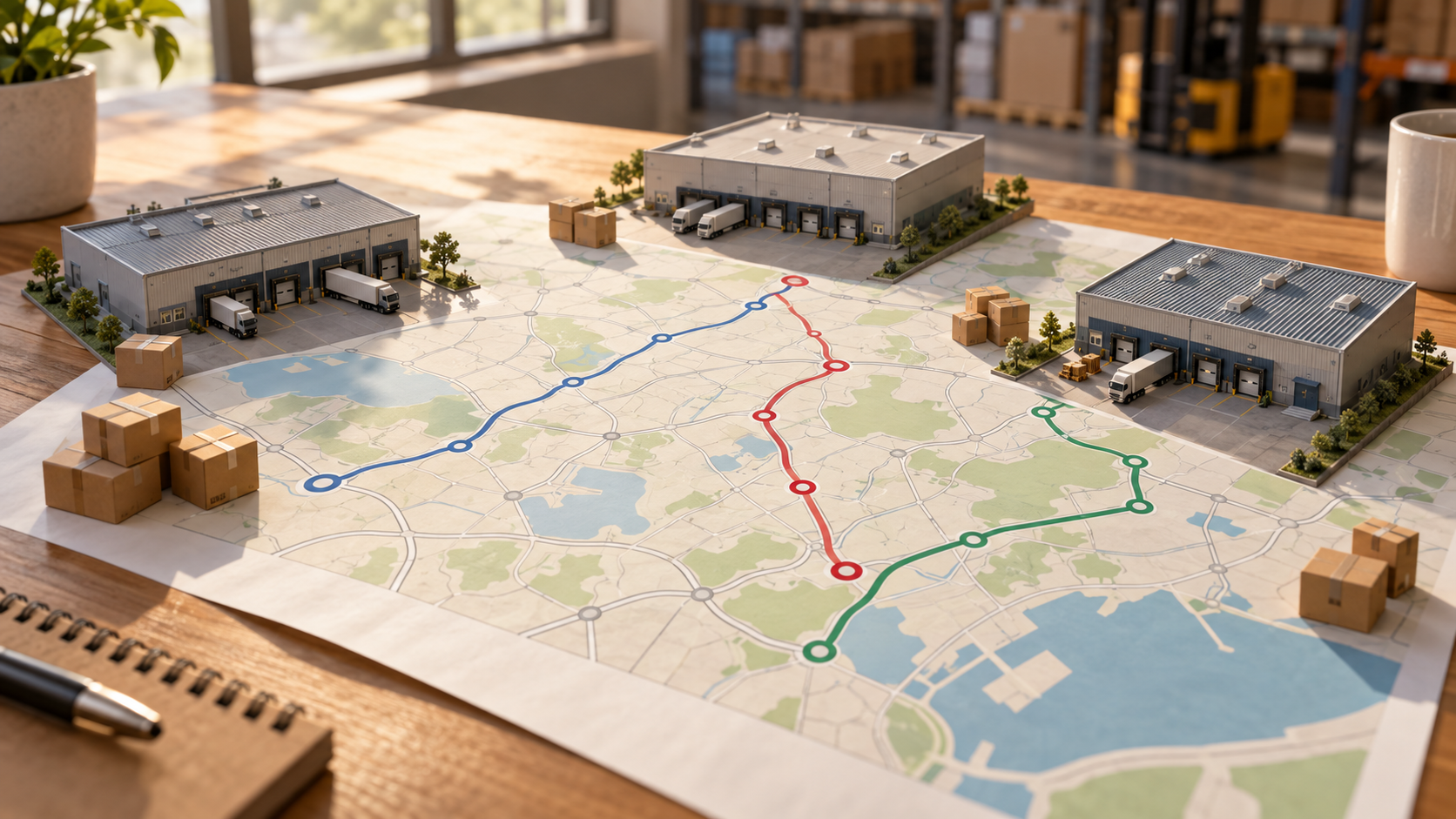
A higher shipping bill can prompt a broad search for a new carrier. A better starting point is a narrow description of the orders you want a provider to handle: where they originate, where they go, what is inside and when they need to arrive.
FedEx has announced changes to selected domestic origin–destination zone classifications for February 1, 2027. Official rate-change notice. That makes origin-specific analysis useful. It does not establish that a particular warehouse or alternative carrier will be cheaper.
Define the job before naming the carrier
Build a requirements file with origin ZIP, destination ZIP, service promise, package dimensions, weight, product restrictions and expected daily volume. Include pickup timing and weekend needs. A carrier may be relevant for one segment while leaving another segment with your existing service.
You can include UniUni, SpeedX, Veho and other carriers in the research shortlist. Their names are starting points for verification, not an assertion that they serve your lane, accept your products or offer a particular rate. Request current coverage and operating requirements for the exact warehouse involved.
Count useful coverage rather than logos
Our illustrative fit calculation starts with 1,000 orders. Assume 700 destinations fall within a candidate's claimed geographic footprint. Of those, suppose 100 orders fail package or service requirements, and another 80 of the remaining orders fail the required pickup arrangement.
That leaves 520 potentially eligible orders, or 52% of the full file. The example assumes sequential, non-overlapping exclusions; it is not measured coverage for any named carrier.
| Step | Orders remaining |
|---|---|
| Full order file | 1,000 |
| Destination footprint | 700 |
| After package and service exclusions | 600 |
| After pickup constraint | 520 |
A headline footprint would suggest 70% coverage in this example. An operationally filtered view suggests 52%. Neither figure establishes delivery performance, available capacity or actual savings.
Keep surcharge geography separate
FedEx's 2027 delivery-area lists are organized by destination ZIP and surcharge category. They are not a map of every service's availability. FedEx delivery-area lists.
When comparing options, retain separate fields for delivery eligibility and location-related fees. Otherwise, an analyst may mistake a price exception for a service exclusion and remove a usable option from the shortlist.
Price the eligible group and the remainder
Ask each 3PL to quote the eligible orders and explain how it will handle the rest. Include required account terms, pickup costs, minimums, exception handling and warehouse work. A saving on 520 orders does not automatically reduce the cost of managing all 1,000.
Request a dated quote showing whether fuel and holiday or demand charges are included, excluded or not publicly specified. Do not assign another carrier's surcharge mechanism to the candidate. Leave unpublished amounts unknown until confirmed.
Before a switch, propose a limited trial with a defined order cohort, customer promise, support owner and fallback route. These are recommended steps, not testing we have performed.
The best match is the provider that can handle your actual mix at an understandable cost. The rate change should sharpen that search, not predetermine its winner.
Separate the annual increase from seasonal pricing
Use the published 2027 tariff for the service and lane being quoted, then ask for account-specific treatment. A headline average cannot price your eligible subset. The FedEx fuel rules and demand schedules should be checked independently of the annual tariff.
For every candidate, require the same dated cost categories. If a regional carrier has no public rate card or unpublished seasonal terms, mark those cells “quote required.” Do not substitute a FedEx fee or a fabricated network coverage percentage. Count matched orders using the actual warehouse origin and verified destination list.
Related reading
Sources
Checked September 29, 2026. Future changes are announced, not yet effective. Recheck before publication.